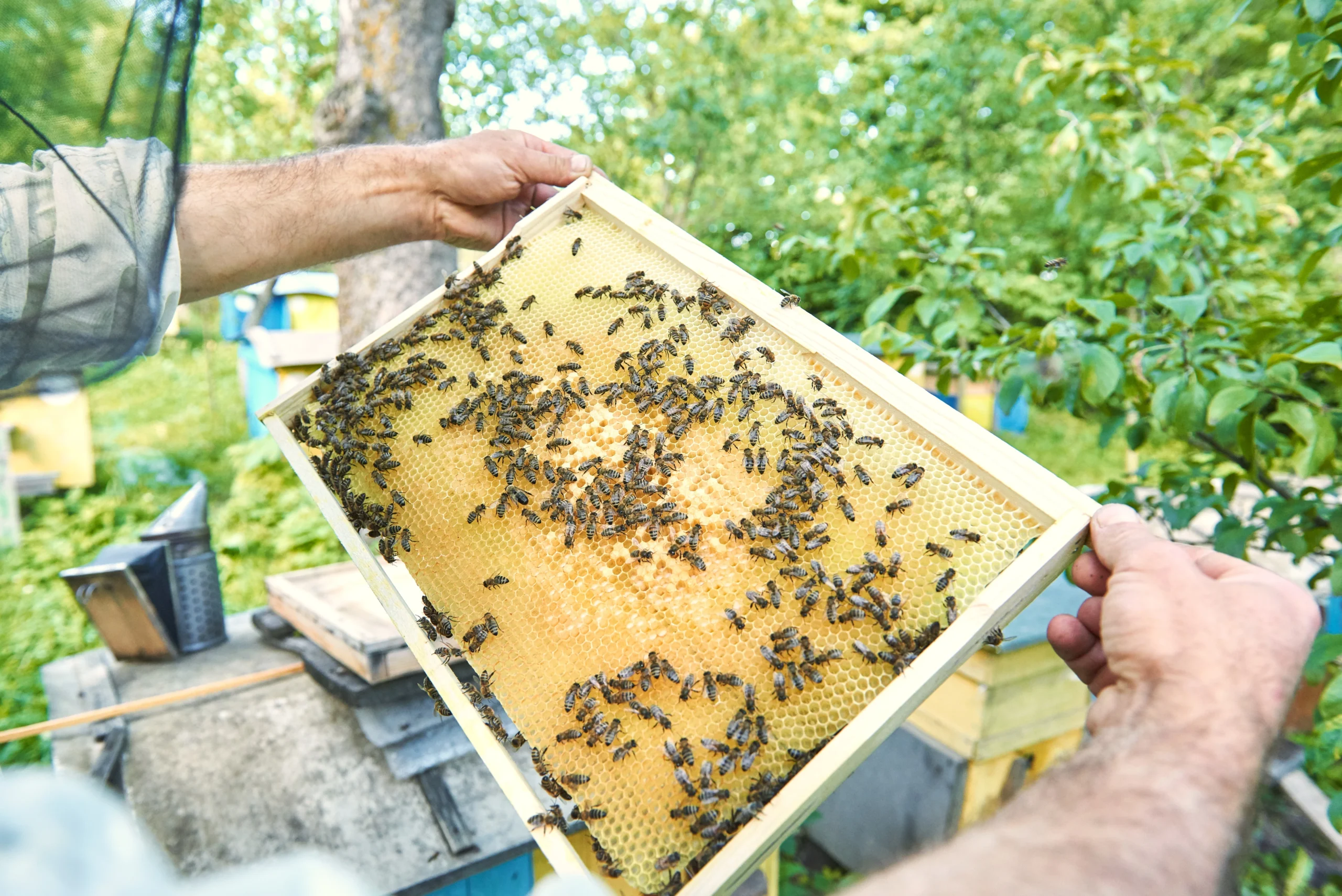
The importance of bees extends far beyond honey production. They play a crucial role in pollination, which sustains agriculture and biodiversity. Supporting organic honey farms is not just about choosing better honey—it’s about making a positive impact on the environment.
Protecting Bee Populations
Industrial farming and pesticide use threaten bee populations worldwide. Organic honey farms prioritize natural practices, ensuring bees have a safe, healthy environment to thrive. By choosing organic honey, consumers contribute to preserving these essential pollinators.
Sustainable Farming Practices
Organic honey production emphasizes sustainability. Bees are allowed to forage naturally without chemical interference, and hives are managed ethically. These practices not only produce high-quality honey but also protect soil, plants, and local ecosystems.
Supporting Local Communities
Many organic honey farms are small-scale, family-run operations. Purchasing organic honey supports local farmers, provides fair income, and encourages sustainable agriculture in rural communities.
Biodiversity Benefits
Healthy bee populations contribute to biodiversity. Bees pollinate flowers, fruits, and vegetables, maintaining ecological balance. Supporting organic honey production indirectly supports the growth of plants, wildlife, and the overall environment.
Conclusion:
Every jar of organic honey represents more than just sweetness—it symbolizes care for bees, nature, and communities. By choosing organic honey, you help preserve biodiversity, promote ethical practices, and ensure that bees continue to play their vital role in our ecosystem. Bee the change, one jar at a time.
Leave a Reply